
The Potential of Low-Dose Hydrogen Peroxide (H2O2) as Preventive Strategy to Parkinson Disease
Athiyah Layla, Sri Widyarti, Sutiman Bambang Sumitro
Abstract
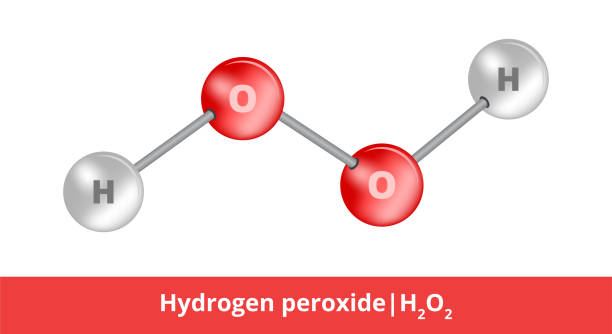
The number of people with Parkinson's Disease (PD) is increasing every year in Indonesia. Some researchers stated that PD cannot be cured completely and it is not yet known how to prevent it. This is because the medical sector is still focusing on treating the symptoms of PD, and has not focused on preventing PD. PD is caused by the presence of αsynuclein (αsyn) fibrils. Under normal circumstances αsyn is in monomeric form and unfolding. However, in patients with PD, αsyn misfolds and aggregates into amyloid fibrils that accumulate intracellularly. αsyn that forms fibrils becomes more toxic and cause the death of dopaminergic cells, which are dopamine-producing cells. Therefore, ideally a new treatment strategy should be developed, with complementary therapy using low-dose H2O2 which has neuroprotective potential to prevent the formation of αsyn fibrils. This study was conducted in silico, starting with data collection: for H2O2 molecules from Pubchem, αsyn from protein data bank (PDB). Furthermore, H2O2 docking with αsyn protein was carried out using PyRx 0.9.8. For docking between αsyn monomers using HDOCK online software. Followed by molecular dynamic simulation using YASARA. The results of molecular docking showed that H2O2 reduce the binding affinity of fellow αsyn monomers and also affect the active site, causing changes in interactions. The results of molecular dynamics showed that
the presence of H2O2 causes αsyn to unfold and increase fluctuations in active site residues, which allows for the release of bonds between αsyn monomers. Thus, it can be concluded that the H2O2 molecule has the potential to prevent the formation of αsyn fibrils, and has potential as a preventive treatment in PD.
Keywords: αsyn fibrils, hydrogen peroxide, parkinson’s disease, preventive strategy
Presented at The 1st International Conference on Jamu and Alternative Medicine (ICJAM) together with The 15th International Conference on Global Resource Conservation (ICGRC) on September 10, 2024.