
The Role of Gasotransmitters in Supporting Bone Health and Regeneration
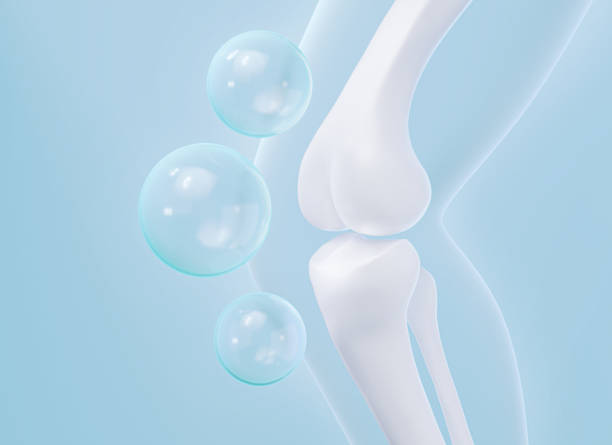
Bone diseases such as osteoporosis, osteoarthritis, and rheumatoid arthritis are major challenges in the world of health, especially for the elderly. In recent decades, research has revealed the important role of bioactive gas molecules known as gasotransmitters, namely nitric oxide (NO), carbon monoxide (CO), and hydrogen sulfide (H2S), in supporting bone regeneration and overcoming damage caused by degenerative diseases. These gasotransmitters work with unique mechanisms that regulate various biological functions important for bone health.
Nitric oxide (NO), as the most studied gasotransmitter, has the ability to regulate bone remodeling, the process by which old bone tissue is replaced by new tissue. NO is produced by the enzyme nitric oxide synthase (NOS) found in osteoblasts, cells responsible for bone formation. At low concentrations, NO promotes angiogenesis or the formation of new blood vessels, which is essential for providing oxygen and nutrients to areas of bone undergoing regeneration. NO also has strong anti-inflammatory properties, able to inhibit the production of pro-inflammatory cytokines such as TNF-α, which usually contribute to bone damage due to chronic inflammation.
Carbon monoxide (CO), although often considered a dangerous gas, turns out to have therapeutic properties when produced in small amounts by the body through the activity of the enzyme heme oxygenase (HO). CO helps reduce oxidative stress by neutralizing free radicals that damage bone cells. In addition, CO affects mitochondria, which are organelles responsible for cell energy production, to regulate bone cell metabolism, thereby supporting the regeneration process and repairing damaged tissue.
Hydrogen sulfide (H2S) is a type of gasotransmitter that also plays a vital role in bone health. This gas has the ability to act as a natural antioxidant, protecting bone cells from damage caused by oxidative stress. In addition, H2S also stimulates angiogenesis like NO, and also increases osteoblast activity to accelerate the formation of new bone tissue. One of the unique mechanisms of H2S is through the process of S-persulfidation, where this gas modifies certain proteins to improve their function in supporting bone regeneration.
Overall, gasotransmitters provide great opportunities in the development of new therapies for bone diseases. With their ability to reduce inflammation, improve cell metabolism, and support tissue regeneration, gasotransmitters such as NO, CO, and H2S are new hopes for improving the quality of life of patients with degenerative bone diseases. Further research into the mechanisms of action of these molecules may pave the way for innovation of more effective and safe medical therapies.
Article source: https://www.the-innovation.org/article/doi/10.59717/j.xinn-life.2023.100015