Nanotherapy: A Promising Treatment for the Present and the Future
The term "therapy" is commonly known among Indonesians, but have you ever heard of "nanotherapy"? It is a new medical treatment method that is set to become a breakthrough in the medical world due to its many advantages.
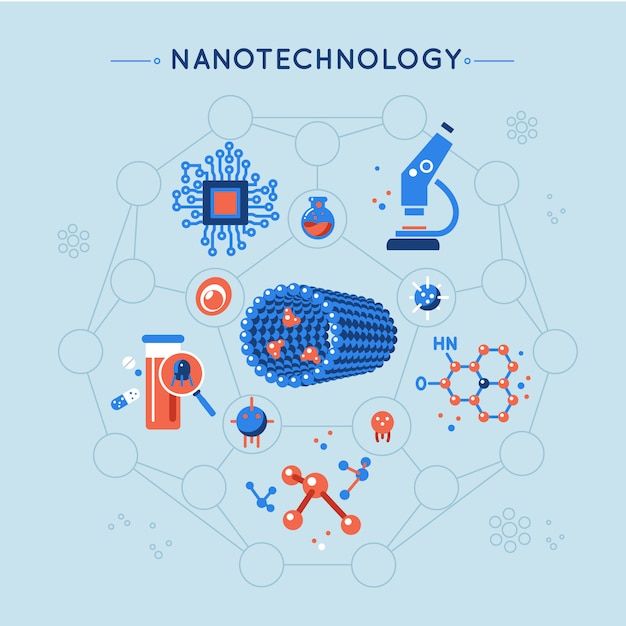
Nanotherapy is a form of medical therapy that utilizes nanotechnology, which involves the manipulation of materials at the nanometer scale (1-100 nm). This makes them extremely small—so tiny that they cannot be seen with the naked eye. Nanotherapy is often applied in the medical field, particularly in drug delivery and cancer therapy.
Advantages of Nanotherapy Compared to Conventional Treatment
In this advanced era, humans are encouraged to think critically in order to discover more effective, efficient, and low-risk treatments. This has led to the development of treatments using nanotechnology or nanoparticles. Compared to conventional treatments, nanotherapy offers several advantages.Just like a sniper aiming precisely at its target, nanotherapy can directly target specific cells. It enables the precise delivery of drugs to specific cells or tissues, such as cancer cells or damaged neurons. This targeted approach ensures that the medication reaches the intended location in the body, thereby minimizing side effects on healthy tissues.
Moreover, nanotherapy also enhances the bioavailability of drugs, meaning that nanoparticle-based drugs can help protect and prolong the presence of the medication in the body. This increases its effectiveness, as certain drugs tend to degrade quickly before they can reach their targetDrug delivery using nanotherapy allows for controlled drug release, meaning that the drug can be released gradually in the body over a specific period. The primary goal of this controlled release is to maintain drug levels in the bloodstream for an extended period, thereby enhancing treatment effectiveness.
Nanotherapy can be utilized for neurodegenerative diseases such as Alzheimer’s and Parkinsonism, as nanoparticles can be designed to cross the blood-brain barrier (BBB), which protects the brain and is typically difficult for conventional drugs to penetrate.Like an octopus with many arms capable of performing multiple tasks, nanotherapy also possesses multifunctional capabilities. This means that nanotherapy enables the combination of therapy and diagnosis in a single system (theranostics).
The ability to diagnose diseases at an early stage is one of the main functions of nanotechnology in medical diagnostics. For example, blood tests utilizing nanoparticles can detect the presence of molecules or cancer cells before the disease progresses further. With earlier diagnosis, the chances of patient recovery also increase.Due to these advantages, nanotherapy has the potential to become a safer and more efficient treatment of the future, especially for complex diseases such as cancer, neurodegenerative disorders, and other chronic illnesses.
Challenges to Be Faced in the Future
From the explanation above, we can see the various advantages of nanotherapy compared to conventional treatments. However, nanotherapy cannot completely replace other treatment methods. Instead, it is more likely to serve as a complement or enhancement to existing medical approaches.There are several reasons for this: Not all diseases require nanotherapy – Nanotherapy is typically used for complex diseases such as cancer, neurodegenerative disorders (Alzheimer’s, Parkinson’s), and other chronic illnesses. However, for simpler conditions like minor infections or the flu, conventional treatments are more practical and cost-effective.
High production costs – Nanotherapy is more expensive than conventional drugs due to the complex manufacturing process and the advanced technology involved. This makes widespread accessibility a challenge. Uncertain long-term effects – Since nanotherapy is still a relatively new medical approach, its long-term effects are not yet fully understood. Some nanoparticles may accumulate in the body, potentially leading to unknown long-term side effects.Because of these challenges, medical researchers and doctors continue to conduct further studies to ensure the safety, effectiveness, and feasibility of nanotherapy in the future.
Article Source:
https://ftmm.unair.ac.id/inovasi-pengobatan-nano-untuk-kesehatan-yang-lebih-baik/?utm_
https://www.cssmayo.com/nanoteknologi-medis/?utm