
Nanobubble Gasotransmitter: A Breakthrough in Natural Gas-Based Therapy
In modern medicine, natural gas-based therapy or gasotransmitters such as nitric oxide (NO), carbon monoxide (CO), and hydrogen sulfide (H₂S) are gaining increasing attention. Although these gases are known as hazardous substances at high concentrations, they play crucial roles as signaling molecules in the human body. At low concentrations, they contribute to various biological processes such as regulating blood pressure, nerve function, and protecting cells from oxidative stress.
However, one of the main challenges in utilizing gasotransmitters for therapy is their highly reactive nature and tendency to dissipate before reaching the target area. To overcome this obstacle, researchers have developed an innovative new technology: Nanobubble Gasotransmitter.
What is a Nanobubble Gasotransmitter?
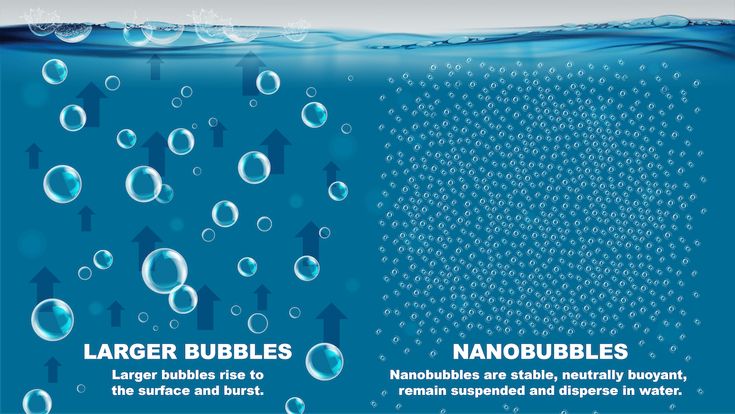
Nanobubble gasotransmitter is a nanotechnology-based gas delivery system that utilizes tiny nanometer-sized bubbles to transport active gases directly to areas of the body where they are needed. Nanobubbles have tremendous advantages over regular bubbles because: being super small, with a diameter of less than 200 nanometers, nanobubbles can easily penetrate body tissues and reach hard-to-reach target areas. High stability, unlike large bubbles that burst quickly, nanobubbles have a protective layer that makes them more stable in the body's circulation. In addition, by controlling gas release, nanobubble is able to release gas slowly and precisely, minimizing the risk of side effects.
How does a Nanobubble Gasotransmitter Work?
The process of how a gasotransmitter nanobubble works is quite simple but effective: it starts with gas filling: Nanobubbles are filled with a gasotransmitter such as NO, CO, or H₂S. The nanobubble is then inserted into the body via injection or applied locally. Due to their small size, nanobubbles can travel through the circulatory system or body fluids to the tissue that requires therapy. At the target site, the nanobubble slowly releases the gasotransmitter, providing therapeutic effects such as improved blood circulation, reduced inflammation, or cell protection.
Clinical Applications of Nanobubble Gasotransmitter
Nanobubble Gasotransmitter can be used for Cardiovascular Disease therapy, the NO in nanobubble can help widen blood vessels, increase blood flow, and reduce the risk of heart attack or stroke. In addition, NO is also known to accelerate wound healing by increasing angiogenesis (the formation of new blood vessels), as nanobubbles help deliver this gas directly to the wound area. Nanobubbles carrying CO or H₂S may help induce oxidative stress in cancer cells, inhibiting tumor growth without damaging healthy tissue, and H₂S in low concentrations may protect nerve cells and could potentially be used in the treatment of neurodegenerative diseases such as Alzheimer's or Parkinson's.
Advantages Over Conventional Therapy
Gasotransmitter nanobubble therapy has several advantages when compared to conventional therapy, namely: High efficiency, as direct gas delivery to the target area increases the effectiveness of the therapy. Minimal risk, because the controlled release of gas reduces the potential for toxicity. It also has application flexibility, as it can be used in a variety of medical fields, from cardiology to oncology.
Challenges and Future of Nanobubble Gasotransmitter
Although nanobubble gasotransmitters offer tremendous potential, there are several challenges that still need to be overcome such as, long-term safety so that further studies are needed to ensure that the use of nanobubbles does not cause side effects in the long run. The next challenge is large-scale production, making nanobubbles on an industrial scale with consistent quality is still a challenge. And finally, regulation and clinical approval, nanotechnology-based therapies require rigorous clinical trials before they can be widely used.
Conclusion
Nanobubble gasotransmitters open a new chapter in the world of natural gas-based medical therapies. With the ability to deliver gas molecules precisely and safely, this technology has the potential to revolutionize the way we treat various chronic diseases. In the future, we will see nanobubbles as a standard component in the treatment of cardiovascular, cancer and neurodegenerative diseases. As a society, we should look forward to the development of this technology that brings new hope for more effective and less risky treatments.
Reference:
Xu Y., Li Y., Gao A., et al., (2023). Gasotransmitter delivery for bone diseases and regeneration. The Innovation Life 1(1), 100015. https://doi.org/10.59717/j.xinn-life.2023.100015
https://www.moleaer.com/nanobubbles