
Microscopic Wonders: Nanobubbles as a New Hope in Oncology
By: Dito Anurogo, M.D., M.Sc., Ph.D.
Have you ever heard of bubbles as small as red blood cells—or even smaller—that are not just empty shells in the air but are brimming with life-saving potential? Nanobubbles are extraordinary manifestations of technological advancements in medicine. Situated at the intersection of physics, chemistry, and biology, these microscopic entities hold promise for a more humane and effective future in cancer treatment. In a world often constrained by harsh therapies like chemotherapy or radiation, nanobubbles emerge as a refreshing innovation that brings hope.
Let us imagine for a moment: if cancer is akin to a formidable stone castle with thick, impenetrable walls, nanobubbles are like nimble and intelligent archers. Rather than employing brute force to break through the walls, they deliver precise strikes to the most vulnerable points. Measuring only a few nanometers—far smaller than the width of a human hair—nanobubbles can infiltrate the smallest crevices within the human body, including the most inaccessible cancerous tissues.
The Magical Bubbles
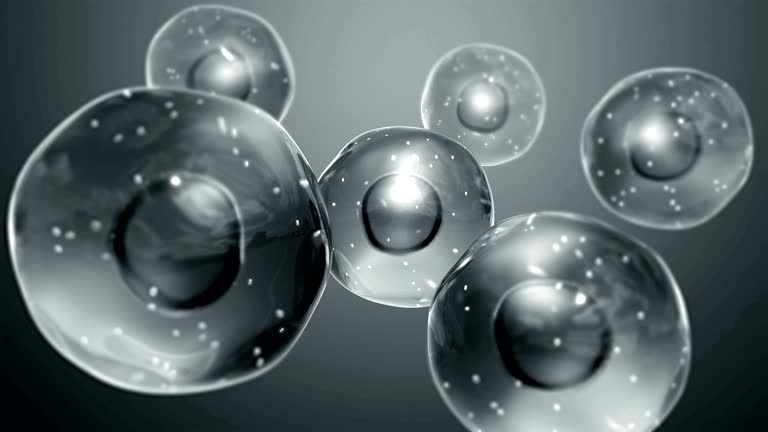
Nanobubbles are microscopic gas bubbles with cores filled with gases such as oxygen, nitrogen, or even carbon monoxide. Surrounded by a protective shell typically made of lipids (fats), proteins, or polymers, they are engineered for high stability. At first glance, they may appear simple—tiny bubbles floating in a liquid medium. However, cutting-edge technology has transformed them into extraordinary tools for simultaneously diagnosing and treating cancer, a concept known as theranostics (a fusion of therapy and diagnostics).
In oncology, nanobubbles act as "smart carriers." They can transport drugs, gene therapy molecules, or therapeutic gases to tumor sites with exceptional precision. Beneath their protective shells, nanobubbles harbor acoustic power—they respond to ultrasound waves with controlled micro-explosions, acting like a modern catapult delivering targeted payloads.
The Art of Crafting Nanobubbles
Like creating a masterpiece, manufacturing nanobubbles demands exceptional precision. Their fabrication involves techniques such as ultrasonication, membrane emulsification, and microfluidics. These processes ensure that the bubbles maintain uniform size, as even minor variations in diameter can affect therapeutic efficacy. The optimal size of nanobubbles is generally below 200 nanometers, smaller than the pores of capillary blood vessels, allowing them to traverse bodily tissues unhindered.
The shells of nanobubbles can also be chemically modified to prolong their circulation time within the body. For instance, polyethylene glycol (PEG) is often used to shield nanobubbles from immune system detection, enabling them to persist longer in the bloodstream before reaching their intended targets.
Ultrasound Response: A Symphony of Acoustics
One of the most remarkable features of nanobubbles is their responsiveness to ultrasound. In medical applications, ultrasound serves as a safe, non-invasive external trigger. When exposed to ultrasound waves, nanobubbles oscillate—expanding and contracting rhythmically. At higher intensities, they can undergo controlled rupture, releasing their therapeutic payloads directly into cancerous tissues.
This phenomenon, known as sonoporation, can be likened to a firmly closed door suddenly opening due to a gentle yet powerful knock. When nanobubbles burst, they create temporary pores in the membranes of cancer cells, allowing drugs or gene therapy molecules to enter with vastly improved efficiency compared to conventional methods.
Revitalizing "Dormant" Cancerous Tissues
Tumors often serve as "headquarters" for tissues deprived of adequate oxygen supply—a condition known as hypoxia. This state not only makes cancer cells more aggressive but also diminishes the effectiveness of therapies such as radiation. Here, nanobubbles demonstrate their unique capability. By delivering oxygen directly to hypoxic regions, nanobubbles can "rejuvenate" these tissues, rendering them more susceptible to conventional therapies.
Experimental studies have shown that oxygen-loaded nanobubbles significantly enhance the success of radiotherapy. In animal models, nanobubble applications have yielded dramatic tumor size reductions, offering hope for more effective and less toxic cancer treatments.
Composition Dictates Function
Not all nanobubbles are created equal. They can be classified based on the composition of their shells—whether lipid-, protein-, or polymer-based—and the type of gas they contain. For example, lipid-based nanobubbles are more flexible and rupture easily under low-intensity ultrasound, making them ideal for rapid drug delivery. Conversely, polymer-based nanobubbles are more stable and better suited for prolonged circulation.
The gas composition within nanobubbles also plays a crucial role. In addition to oxygen, gases like nitrogen and sulfur hexafluoride are used in diagnostics due to their ability to reflect ultrasound waves, producing sharp imaging for tumor detection. Even gases like carbon monoxide, typically considered toxic, can be employed to selectively kill cancer cells—albeit in tightly controlled doses.
Challenges on the Path to Clinical Application
However, the journey of nanobubbles from laboratory to clinical practice is not without obstacles. The primary challenges are stability and scalability. While highly effective, nanobubbles are prone to instability in aqueous environments and may rupture prematurely before reaching their target. To address this, researchers have developed techniques such as cross-linking the bubble shells to enhance stability without compromising their ultrasound responsiveness.
Another major hurdle lies in large-scale production. The precision required in nanobubble fabrication is costly, and every step must be meticulously monitored to ensure consistent quality. Nevertheless, advances in technology are gradually overcoming these challenges.
The Future of Nanobubbles
The potential of nanobubbles extends far beyond cancer treatment. They hold promise in other areas such as cardiovascular therapy, tissue regeneration, and even vaccine delivery. With their ability to deliver therapeutic molecules to highly specific sites, nanobubbles could help mitigate the side effects that often plague medical treatments.
Imagine a world where treatments no longer "attack everything," but instead work with pinpoint precision, like the meticulous application of acupuncture. In such a world, nanobubbles will serve as one of the principal instruments, bringing us closer to an era of truly personalized and minimally invasive medicine.
Nanobubbles are a testament to the fact that small innovations can lead to monumental breakthroughs. They remind us that solutions to the greatest challenges often lie hidden within the tiniest of marvels—like microscopic bubbles carrying hope for millions of patients worldwide.