
H₂S and the Nervous System: Unveiling a Small Gas with a Big Role
The first thing that often comes to mind when we hear “hydrogen sulfide” or H₂S is its strong, unpleasant smell. This gas is known to be toxic at high concentrations because it can interfere with the mitochondria’s function in cellular respiration. As a result, cells are unable to produce energy (ATP), which can lead to cell damage or even death. This is why H₂S is recognized as a dangerous gas in industrial settings or natural environments.
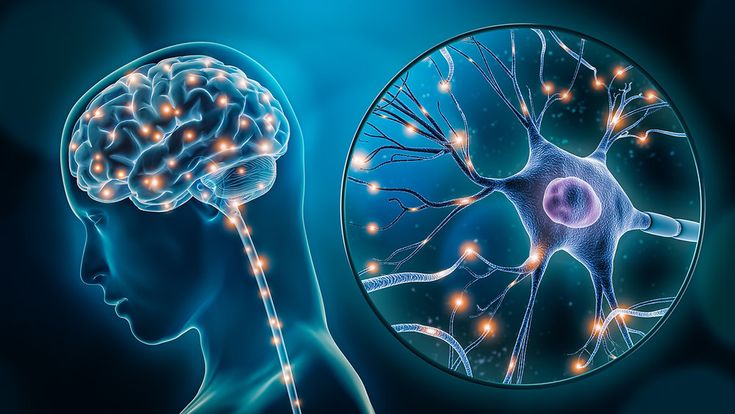
However, in small amounts, H₂S turns out to have a significant role—especially in the human nervous system. Modern science has revealed that H₂S is not merely a harmful waste gas, but a vital signaling molecule, or gasotransmitter, which has a major impact on brain and nervous system health. In controlled amounts, H₂S acts as a chemical messenger that helps nerve cells communicate with one another.
The human body can naturally produce hydrogen sulfide (H₂S), thanks to the help of three specific enzymes: cystathionine β-synthase (CBS), cystathionine γ-lyase (CSE), and 3-mercaptopyruvate sulfurtransferase (3-MST). CBS is predominantly found in the brain and plays an important role in producing H₂S in the nervous system. CSE is more active in other body tissues such as blood vessels, helping to regulate H₂S levels outside the brain. Meanwhile, 3-MST works inside a small part of the cell called the mitochondria and is also found in nerve cells. These three enzymes convert nutrients from food—mainly an amino acid called L-cysteine (which contains sulfur)—into H₂S. This shows that H₂S is not just a toxic byproduct but a naturally produced substance essential for many important bodily functions, including those in the brain and nervous system.
The Role of H₂S in the Nervous System
One of the most important functions of hydrogen sulfide (H₂S) in the brain is helping nerve cells communicate with each other. This gas influences how the brain releases chemicals called neurotransmitters, which act like messengers between brain cells. Some important neurotransmitters include glutamate, which helps with learning; dopamine, which affects mood and movement; and GABA, which helps calm brain activity. H₂S also strengthens the connection between brain cells through a process known as long-term potentiation, which is crucial for storing long-term memories.
Beyond helping brain cells communicate, H₂S also acts as a natural protector for nerve cells. It helps defend the brain from damage caused by harmful molecules called free radicals and from inflammation in brain tissue. H₂S boosts the production of the body’s own antioxidants like glutathione and can suppress inflammation pathways that would otherwise harm brain cells. In this way, H₂S plays a vital role in keeping the brain healthy and reducing the risk of nerve cell damage.
Scientists have also discovered that H₂S levels in the brain tend to drop in diseases like Alzheimer’s and Parkinson’s, both of which cause a gradual decline in brain function. This has led to the development of an exciting new approach in brain disease treatment: using nano-bubbles of hydrogen sulfide (H₂S) as a therapy for neurodegenerative disorders. These nano-bubbles are ultra-tiny particles, much smaller than human cells, specially designed to carry substances into the body. In this case, they carry H₂S, which is difficult to deliver directly because it quickly evaporates and reacts with other compounds. With nano-bubbles, H₂S can be protected during transport to the brain, precisely targeted to damaged brain areas, and released slowly and in a controlled manner, making the therapy more effective and reducing potential side effects.
In people with Alzheimer’s and Parkinson’s, the natural levels of H₂S are lower, while oxidative stress, inflammation, and nerve cell death tend to increase—causing the brain to deteriorate over time. This nano-bubble technology is expected to restore balance by improving the chemical environment of the brain, protecting nerve cells from further damage, and even slowing down disease progression. As a result, patients may be able to maintain their thinking ability, memory, and daily function for a longer time.
Sources
Kimura, H. (2002). Hydrogen sulfide as a neuromodulator. Molecular Neurobiology, 26(1), 13–19. https://doi.org/10.1385/MN:26:1:013
Sharif AH, Iqbal M, Manhoosh B, Gholampoor N, Ma D, Marwah M, Sanchez-Aranguren L. Hydrogen Sulphide-Based Therapeutics for Neurological Conditions: Perspectives and Challenges. Neurochem Res. 2023 Jul;48(7):1981-1996. doi: 10.1007/s11064-023-03887-y . Epub 2023 Feb 10. PMID: 36764968; PMCID: PMC10182124. https://pmc.ncbi.nlm.nih.gov/articles/PMC10182124/
Pandey, Tejasvi and Pandey, Vivek. Advancements in increasing efficiency of hydrogen sulfide in therapeutics: Strategies for targeted delivery as prodrugs. Nitric Oxide. Vol. 152 (2024). 1-10, ISSN 1089-8603, https://doi.org/10.1016/j.niox.2024.09.001